
The Emotional Challenge of Returning from ACL Injury
Bouncing back from a major anterior cruciate ligament (ACL) injury is as much a mental challenge as it is a physical one. For elite athletes, the road to recovery involves more than just healing the body – it means facing fears, doubts, and anxieties that can weigh heavily on their confidence. Take Lindsey Vonn, for example. Her inspiring return to competitive skiing after several ACL ruptures highlights not only the intense physical work involved but also the incredible mental resilience needed to compete at the highest level again. In this article, we explore why mental strength plays a vital role in recovering from an ACL injury, weaving together inspiring stories, expert advice, and practical tips to help athletes on their comeback journeys.
Understanding the Psychological Battle
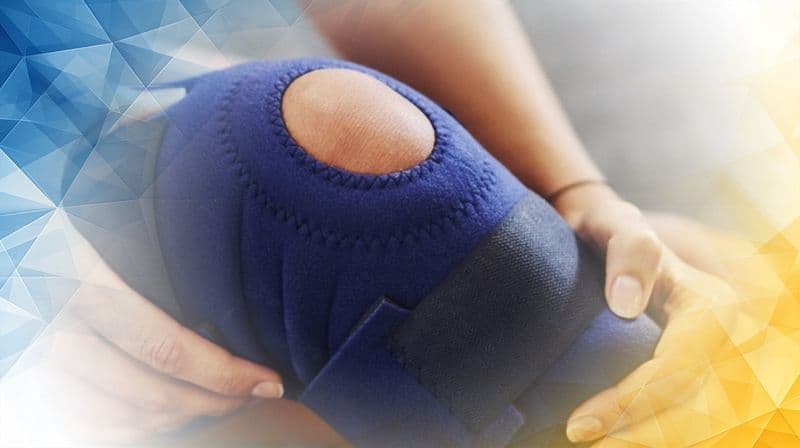
Returning to sport after an ACL injury means facing a rollercoaster of emotions. Fear of re-injury, loss of confidence, and worry about performance are common hurdles. For athletes, whose sense of self often intertwines with their physical abilities, these feelings can be overwhelming. Lindsey Vonn’s comeback perfectly illustrates this inner battle. Even while skiing with a visible knee brace, she showed remarkable mental toughness, refusing to be held back by fear. Research tells us that “ACL injuries have a significant impact on individual function and on the health care economy” (Laskowski, 2013). More recently, studies reveal that “global rating scores had a stronger influence among adolescent athletes that sustained either surgical ACL re‐injury or contralateral ACL injury” (Nyland et al., 2024). Adding to this complexity, an international expert group notes that “evidence supporting best practice guidelines to manage ACL injury is largely based on studies with low-level evidence” (Diermeier et al., 2020). All these factors combine to show that mental resilience is just as important as physical recovery. Strengthening the mind alongside the body is essential for a successful return.
Lessons from Lindsey Vonn: Inside the Mind of a Champion
Lindsey Vonn’s recovery offers valuable insights into mental toughness. Throughout her rehabilitation, she used techniques like visualisation – picturing herself racing with confidence and skill. This positive mindset helped her rebuild belief in her abilities. She also relied heavily on support from family, coaches, and medical staff to stay motivated through setbacks. Vonn’s journey is a reminder that mental resilience helps transform obstacles into opportunities. Many other top athletes face similar psychological challenges, proving that mental perseverance is a universal part of healing after serious injury.
Free non-medical discussion
Not sure what to do next?
Information only · No medical advice or diagnosis.
Sports Psychology: Rebuilding Mental Strength
To get back in the game, mental training is just as crucial as physical rehab. Psychological tools like cognitive behavioural therapy help athletes change negative thought patterns and regain confidence. Mindfulness encourages them to stay present and avoid dwelling on fears of re-injury. Setting small, achievable goals keeps motivation high and eases frustration. Furthermore, “rehabilitation interventions focus on enhancing lower extremity strength, stability, and neuromuscular control” (Laskowski, 2013). It’s clear that a combined approach helps athletes regain full function. Experts also stress that “clinicians need to increase their awareness and understanding of other factors that may influence surgical ACL re‐injury or contralateral ACL injury risk” (Nyland et al., 2024). Echoing these views, international leaders recommend “a period of progressive rehabilitation to resolve impairments and improve neuromuscular function” (Diermeier et al., 2020). Centres such as the London Cartilage Clinic offer a professional setting where athletes receive support for both the physical and psychological sides of recovery, under the care of specialists like Professor Paul Lee. This holistic care is key to rebuilding strength – inside and out.

The Role of Community and Professional Support
No one recovers alone, particularly after a major injury. Coaches, family, teammates, sports psychologists and medical experts provide the encouragement and guidance athletes need. Professor Paul Lee’s extensive expertise in orthopaedics and rehabilitation exemplifies the kind of professional care that makes a real difference. His clinic focuses on a compassionate, all-encompassing approach recognising the vital role of psychological support alongside physical treatment. Drawing strength from a network like this helps athletes stay hopeful and focused, whether they are young or experienced, amateur or elite.
From Setback to Triumph: Inspirational Takeaways
Recovering from an ACL injury is a test of determination and resilience. While physical healing takes time, nurturing mental strength is equally important and often leads to newfound inner power. Programmes designed to prevent ACL injuries often aim to “correct flaws in movement patterns and neuromuscular control” (Laskowski, 2013), showing that success is about more than just recovery – it’s about growth. Lindsey Vonn’s story and others like hers serve as powerful reminders that with the right mindset and support, athletes can return to competition stronger and more focused than ever before.
For individual medical advice, please consult a qualified healthcare professional.
References
- Laskowski, E. R. (2013). ACL injury and rehabilitation. Current Physical Medicine and Rehabilitation Reports, 2(1), 35-40. https://doi.org/10.1007/s40141-013-0036-8
- Nyland, J., Tomberlin, C., Brey, J., & Carter, S. (2024). Global knee function rating more strongly influences adolescent athletes that sustain a sports‐related surgical ACL re‐injury or contralateral ACL injury. Knee Surgery Sports Traumatology Arthroscopy, 32(3), 599-607. https://doi.org/10.1002/ksa.12072
- Diermeier, T., Rothrauff, B., Engebretsen, L., Lynch, A. D., Svantesson, E., Hamrin Senorski, E., Meredith, S. J., Rauer, T., Ayeni, O. R., Paterno, M. V., Xerogeanes, J. W., Fu, F. H., Karlsson, J., & Musahl, V. (2020). Treatment after ACL injury: Panther Symposium ACL Treatment Consensus Group. British Journal of Sports Medicine, 55(1), 14-22. https://doi.org/10.1136/bjsports-2020-102200
Frequently Asked Questions
- The London Cartilage Clinic, led by Professor Paul Lee, offers a comprehensive approach addressing both physical and psychological needs. Their team supports patients’ emotional well-being, helping them overcome fears and anxieties while recovering from ACL injuries in a supportive, expert-led environment.
- Professor Paul Lee is a leading cartilage expert, Regional Surgical Ambassador, and Royal College of Surgeons of Edinburgh Advisor. His international experience and commitment to evidence-based, patient-centred care make him highly respected in orthopaedics and rehabilitation.
- Mental resilience is crucial because athletes face fears of re-injury, self-doubt, and emotional challenges during rehabilitation. Addressing both mental and physical aspects enables athletes to regain confidence and achieve a full recovery under professional guidance, like that at the London Cartilage Clinic.
- Techniques like visualisation, mindfulness, and cognitive behavioural therapy help athletes manage anxiety and rebuild confidence. At the London Cartilage Clinic, such holistic methods are integrated into rehabilitation to enhance both physical function and mental wellbeing.
- A network of family, coaches, medical experts, and sports psychologists offers patients encouragement and expert guidance. Professor Lee’s clinic excels in providing this comprehensive, compassionate support system, crucial for effective long-term recovery for both amateur and elite athletes.
Legal & Medical Disclaimer
This article is written by an independent contributor and reflects their own views and experience, not necessarily those of London Cartilage Clinic. It is provided for general information and education only and does not constitute medical advice, diagnosis, or treatment.
Always seek personalised advice from a qualified healthcare professional before making decisions about your health. London Cartilage Clinic accepts no responsibility for errors, omissions, third-party content, or any loss, damage, or injury arising from reliance on this material.
If you believe this article contains inaccurate or infringing content, please contact us at [email protected].
London Cartilage Clinic
Modern treatments, designed for lasting knee outcomes
Every treatment plan is selected to help you return to the quality of life you deserve. Our team combines up-to-date techniques with consultant-led decision making across cartilage repair, regeneration and replacement.
What your journey can look like
Step 01
Consultant-Led Assessment
Symptoms, imaging and goals reviewed in one structured appointment.
Step 02
Personalised Treatment Plan
A clear route chosen from repair, regeneration or replacement options.
Step 03
Precision Delivery
Modern techniques and specialist equipment matched to your diagnosis.
Step 04
Long-Term Knee Health
Follow-up guidance focused on durable function and quality of life.
Will the Arthrosamid work for me
PAAG-8+ Questionnaire
A bright, structured entry point for patients exploring Arthrosamid. The questionnaire helps frame suitability, expectations, and 24-month clinical benefit discussion before a fuller consultant-led review.
Designed for shared decision-making. It does not replace specialist consultation, examination, imaging review, or formal medical advice.